

Introductory



CSAA’s featured speaker for Creation Weekend 2011 was well known creation apologist Dr. Jerry Bergman. Large numbers of people came to hear one or more of his lectures and all declared themselves delighted with his genial, non-confrontational manner and his interesting material. In that Dr. Bergman’s area of expertise is biology, chemistry and medical anatomy, the issues he discussed were quite different from the geological topics which we have considered in recent years. This material demonstrated anew that the issue of creation is broad and encompasses all aspects of nature. Read the rest of this entry »
Have you ever wondered how this transformation takes place? The caterpillar makes his cocoon (or chrysalis) and out pops the butterfly – pretty simple, right? Simple – until you realize that nearly every single organ in the caterpillar body is destroyed and then remade into a beautiful butterfly. Eat leaves? Now change your diet to drinking nectar. Those tiny suction-cupped feet? Forget those – now you can fly with wings that make the whole world envious of your beauty. Read the rest of this entry »
Eggs are complex structures designed to allow the embryo to develop outside of the mother’s body. An animal egg (Latin, ovum) provides a protective shell in which an embryo can develop. In most birds, reptiles, insects, mollusks, fish, and monotremes (mammals that lay eggs instead of giving birth to live young), the egg contains an ovum or, if fertilized, a zygote. A zygote results from fertilization of an ovum, and develops into an embryo. Read the rest of this entry »
No sea animal elicits such fear and terror in the common people as do sharks. Gruesome shark attacks on humans are part of both the folklore and history of many cultures, including our own. Their predatory skill both fascinates and frightens us. Even though sharks rarely attack humans, when an attack occurs, it tends to be widely publicized by the mass media. Ironically, their very survival is now threatened by human-related activities, such as net fishing.
Most people recognize that it is more fun to read a story than to plow through a text-book! Usually however the objectives of the two genres are different: the story is for enjoyment and the text for learning. There have been many stories written, however, to communicate an important message. Charles Dickens’ novels like Great Expectations, for example, spring to mind. So it is with Michael and Beverly Oard’s book Uncovering the Mysterious Woolly Mammoth: Life at the End of the Great Ice Age.
This DVD features discussion by Dr. Andrew Snelling, author of Earth’s Catastrophic Past, an 1100 page work which discusses multiple issues connected to the worldwide flood of Noah. This man is well known for his work on radiometric dating, some of it with the RATE project from Institute for Creation Research, which examined the significance of various dating techniques for conclusions about the age of the earth. He declares firstly that we only think of the earth as old because we expect the rocks to be old, based on a comparison with geological processes going on today. However instead of the present interpreting the past, we should rather turn our understanding around and realize that what happened in the past, explains what we see in the present. Read the rest of this entry »
Any visitor, upon entering the Royal Tyrrell Museum (in Drumheller, Alberta), could certainly be excused for exclaiming “Wow!” as they catch sight of the first fossil on display. The visitor has already passed through a simulated scene of Albertosaurus models, posed as they might have appeared in life. This scene is based on a bone bed of 22 individuals discovered about 1910 by Barnum Brown at Dry Island Buffalo Jump Provincial Park. But we press onward and wow!! There high on the wall to the left in the next gallery is a Tyrannosaurus rex skeleton, almost all there, displayed as it was discovered lying in the rocks. Read the rest of this entry »
Not surprisingly, with an upbeat and exciting speaker, the audiences at our Creation Weekend sessions in October 2012 were large and enthusiastic. The final session ended with a standing ovation, which is most unusual for a lecture. So it was that David Coppedge of Santa Clarita, provided amazing illustrations, interesting information and profound insights. Read the rest of this entry »

Every family, whether into science of not, should obtain a copy of this book for the sake of their children (upper elementary through high school). This deluxe book, The World of Animals, is a wonderful reference book which describes anatomy and ecological significance of the main groups of animals. Read the rest of this entry »
Dr. Paul Nelson has long been involved in the creation/evolution controversy, in fact he grew up in that milieu. His grandfather, Byron C. Nelson (1893-1972) for example, was a theologian and author, influential as a mid-century critic of Darwinian evolution. His grandson Paul, already as a university student, began to write articles for the Bible-Science Newsletter (an early, well-known creationist publication). Read the rest of this entry »
Creation Science Association of Alberta is delighted to announce that biologist and philosopher Dr. Paul Nelson has agreed to be our featured speaker for Creation Weekend, Friday evening and all day Saturday October 18 and 19, 2013. Dr. Nelson is a friendly and non-confrontational individual who makes the latest information in biology come alive in his lectures. He not only describes the issues, but he tells us what the significance of the material is.
The archer fish (Toxotidae jaculatrix, from ejaculator fish) –– named due to its expert archery skills–– is one of the most amazing types of fish known to humans (Smith, 1936). When first researched by scientists in the 1920s, researchers “could hardly believe their eyes” at its shooting ability (Pinney, 1977, p. 3). The existence of the fish was actually first reported by explorers in 1764, but scholars could not accept the reports of the existence of this amazing fish (Lüling, 1963, p. 100). Read the rest of this entry »
Paperback / $14.00 / 158 Pages / black and white line drawings
Do genes, chromosomes and DNA seem way beyond your interests? The author not only makes them interesting and understandable, but he also places the details in the context of Scripture. Besides adults new to these topics, the book provides excellent supplemental discussion for students studying these issues.
Hardcover / $16.00 / 65 Pages / full colour
Christians often wonder about where and when there was an ice age. This book answers these questions in story form relevant to young people. Follow the story of an ice age tribe from Northern Siberia who overcame multiple weather-related disasters. Discover at the same time the science behind the ice age world and how people survive these conditions while the woolly mammoths did not. Written for junior high and older readers.
Hardcover / $25.00 / 256 Pages / full colour
This beautiful new book describes the anatomy, behaviour and habitats of over 1000 animals. There is information on endangered species and environments, obscure facts and animal records. A wonderful introduction to the beauty of creation. Who knew there were so many kinds of animals?
FEATURED BOOKS AND DVDS
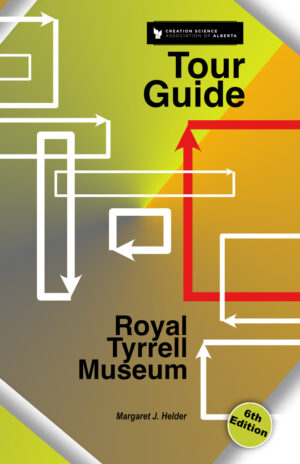
Paperback / $6.00 / 55 Pages
This beautiful new book describes the anatomy, behaviour and habitats of over 1000 animals. There is information on endangered species and environments, obscure facts and animal records. A wonderful introduction to the beauty of creation. Who knew there were so many kinds of animals?
Order Online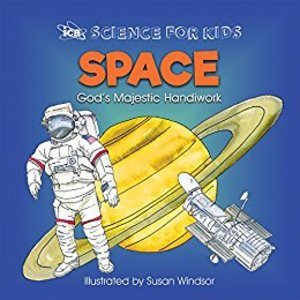
Paperback / $10.00 / 111 Pages / full colour
This beautiful new book describes the anatomy, behaviour and habitats of over 1000 animals. There is information on endangered species and environments, obscure facts and animal records. A wonderful introduction to the beauty of creation. Who knew there were so many kinds of animals?
Order Online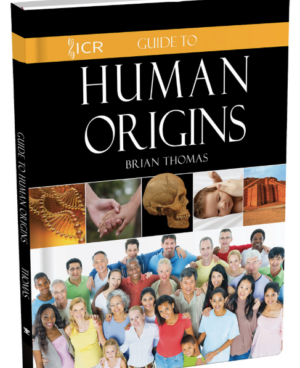
Hardcover / $18.00 / 117 Pages / Full colour
This beautiful new book describes the anatomy, behaviour and habitats of over 1000 animals. There is information on endangered species and environments, obscure facts and animal records. A wonderful introduction to the beauty of creation. Who knew there were so many kinds of animals?
Order Online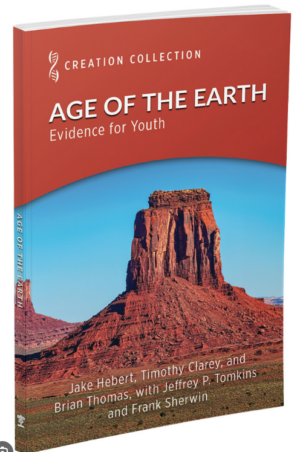
Paperback / $10.00 / 192 Pages / Full colour
This beautiful new book describes the anatomy, behaviour and habitats of over 1000 animals. There is information on endangered species and environments, obscure facts and animal records. A wonderful introduction to the beauty of creation. Who knew there were so many kinds of animals?
Order Online